by admin admin No Comments

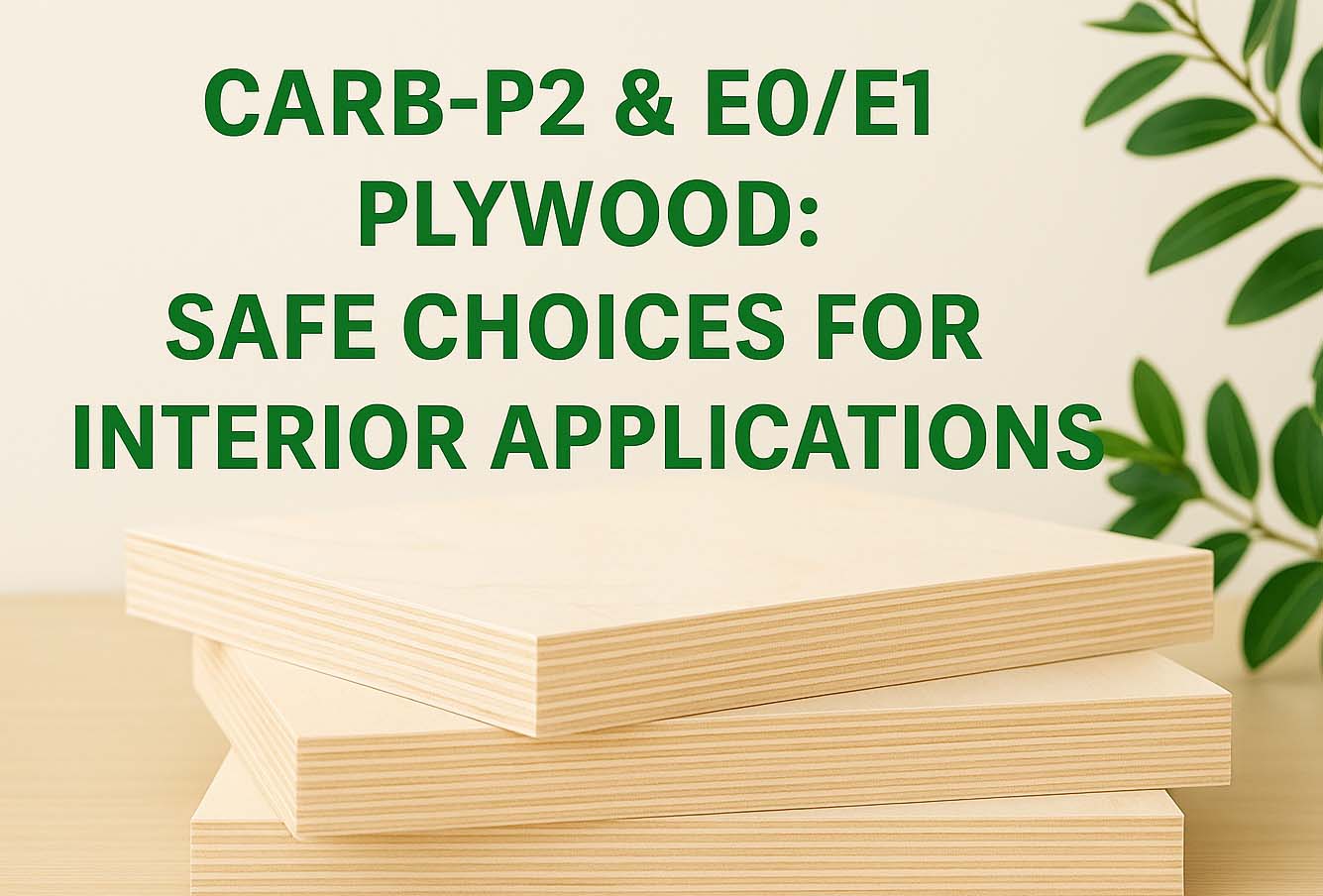
CARB-P2 & E0/E1 Plywood: Safe Choices for Interior Applications

CARB-P2 is a U.S. standard regulating formaldehyde emissions in wood products to ≤0.05 ppm, protecting indoor air quality. E0/E1 are EU standards with limits at ≤0.05 ppm (E0) and ≤0.10 ppm (E1). FOMEX GREENWOOD plywood meets both CARB-P2 and E0/E1, ensuring low-emission, safe, and durable panels for furniture and interior applications.

  •  CARB-P2 limit: ≤0.05 ppm formaldehyde
  •  E0/E1 limits: E0 ≤0.05 ppm | E1 ≤0.10 ppm
  •  Certified by FSC®, CARB, and ISO 9001:2015
  •  Exported to 30+ countries worldwide

See Low-Emission Plywood Products

The meaning of CARB-P2 Certification.

The California Air Resources Board has issued a regulation known as the CARB Phase 2 (CARB-P2) regulation which provides one of the limiting global on-air formdehyde emission rates in composite wood panels. This standard guarantees the safety of the indoor environments especially on furniture and cabinetry.

To plywood consumers, CARB-P2 implies that the products are tested, verified, and passed to be at lower levels of emissions than 0.05ppm. CARB-P2 is a necessary document to do due diligence by many international purchasers in importing to the U.S. market and the EU market.

Checking the Compliance of CARB-P2.

  • Request Certificates – The supplier should always be requested to provide CARB-P2 or EPA TSCA Title VI test reports.
  • Check Labels – Every panel should have a CARB/EPA compliance label, which tells of the class of emissions.
  • Confirm with Third Parties – Authenticate using accredited laboratories or independent inspections.
  • Compare with E0/E1 – Equals emission data with EU requirements (E0 0.05 ppm, E1 0.10 ppm) out of precaution.

FOMEX GREENWOOD Low-Emission Plywood Specs

Product Core Thickness Size (mm) Glue Certifications Emission Class
Furniture Plywood Acacia / Eucalyptus / Mixed Hardwood 3–35mm 1220×2440 / custom E0 / CARB-P2 / WBP FSC®, CARB-P2, ISO 9001 E0 / E1 / P2
Commercial Plywood Acacia / Styrax / Poplar/ Mixed Hardwood 4–30mm 910×1820 / 1220×2440 / custom E1 / WBP FSC®, CE, CARB E1 / P2

Case Study: Birch Plywood Customer of the U.S. preferred Birch Plywood in a Healthy Home.

A customer of the U.S., in 2024, used Birch plywood of FOMEX GREENWOOD to finish an interior housing project. The material was certified as CARB-P2 and E0, thus making the house extremely low in emission, thus making the family live in a safe and healthy environment. The plywood pinned to the board was a great idea as Birch plywood was recognized to be durable, beautiful and safe to the indoor air of the house and so this project was recommended to all health-conscious people who have their homes.
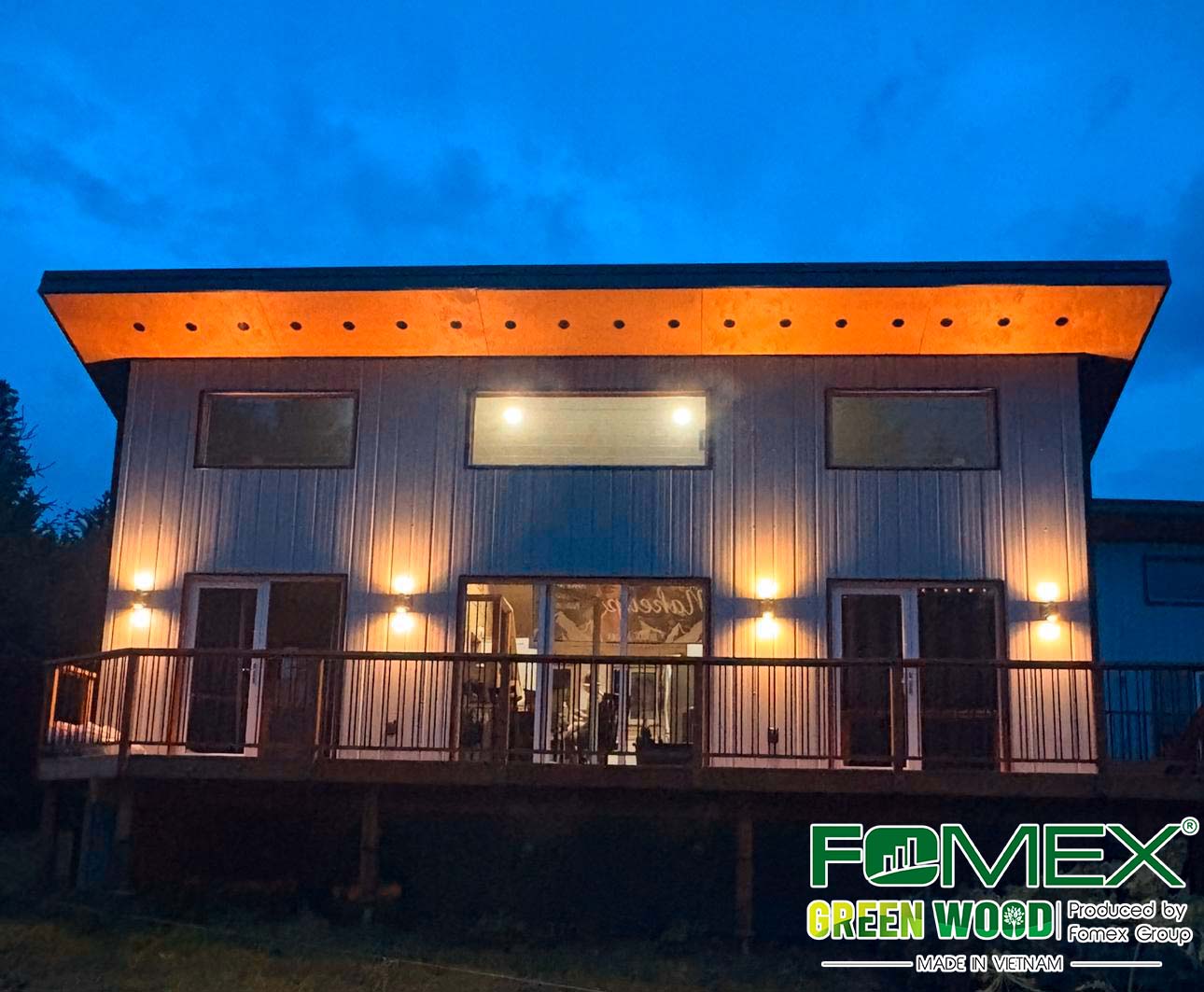
birch

Frequently Asked Questions

What is the method of testing plywood to compliance with CARB-P2?

Panels are examined in the certified laboratories with chamber methods where formaldehyde emissions are tested under the controlled conditions. It should have below 0.05 ppm as results before being considered CARB-P2 certified.

What is the E0/E1 vs. CARB-P2 plywood?

E0/E1 are European standards of which E0 is the toughest (≤0.05 ppm). The U.S. standard is CARB-P2 which is also established at 0.05 ppm or less. The combination of both types of plywood guarantees the quality of both worldwide and indoor air safety.

Is CARB-P2 plywood suitable in VOC-sensitive environment?

Yes. CARB-P2 and E0 plywood releases minimal volatile organic compounds (VOCs) and will be suitable across the bedrooms, schools, and hospitals, among other VOC-sensitive areas.

Contact Us: qc@fomexgroup.vn · ☎ +84 877 034 666📌 Related Reading:

by admin admin No Comments

Veneer Drying For Plywood Sheets

Drying Veneers will make the size of the wood stable, free from pests, easy storage, and the finishing and processing process of the plywood sheets will also achieve higher quality. Good veneer drying practice is essential for making good quality plywood sheets. In particular, the drying of veneers will reduce its weight, thereby reducing transportation costs.

Problems with Wet Veneers

The over amount of moisture in the veneer can affect the spread of glue on the veneer surface of plywood sheets. Wrong material can cause blister, glue penetration, glue peeling, etc.

High moisture veneer is not suitable for hot-press process of plywood manufacturing. It will prolong the hot press time and discount the quality of wood panels.

There are two popular veneer drying methods: air-drying and forced drying.

1. Air-drying

Air-drying is a natural way of drying veneers. The sun provides energy (heat) for the evaporation of water in the veneers.

Using the air-drying method, veneers can be dried to a moisture content of 12 – 20% depending on weather conditions. The drying time can vary greatly from 10-30 days. This depends on the species and the size of the veneers.

2. Forced drying

Veneers, before being used for making plywood sheets or for some other use … it is usually dried to the required moisture content. In order to achieve this goal quickly and accurately, the veneers are dried in a kiln. Unlike the drying process, the temperature, relative humidity, and air circulation in the kiln are controlled during the drying process.

The temperature in the drying process can be up to 100 degrees Celsius. However, drying with high temperature is not common because it is difficult to limit defects that araise in the drying process.

 Advantages And Disadvantages Of Two Method

1. Air-dying

Compared to drying by forced drying, air-drying requires little investment and no energy costs. However, air-drying has the following disadvantages:

  • Long drying time.
  • Veneers cannot be dried to moisture below 12%. Lower humidity is often required for products exported to countries with mild climates.
  • Need a large area for stacking and drying.

2. Forced drying

The advantages of drying wood by forced drying method:

  • The drying process is controlled, and defects are limited
  • Achieve lower humidity compared to air-drying
  • The drying time is shorter than that of air-drying
  • The kiln is used for many different types of wood
  • Achieve the exact humidity required
  • The veneers fungus pests are destroyed during the drying process

Disadvantages of wood drying by forced drying:

  • Requires bigger investment than air-drying
  • Required cost for energy
  • It is required that the operator must have skills in oven operation and maintenance.

Currently, most factories in developed countries are usually natural methods (air-drying) to dry in order to save energy costs.

Understanding these limitations, FOMEX’s factories have invested in machinery and equipment for forced drying. We aim to have a long-term business strategy, ensuring stable quality in plywood sheets. We hope we can contribute to bringing Vietnam’s plywood to reach extreme quality.

Rosie

FOMEX GROUP

by Jessie Pham Jessie Pham No Comments

Why Marine Plywood? Type alternatives?

What is Marine Plywood?

Marine plywood is a well-known material when it comes to shipbuilding. Whether traveling in cabins, pontoon boats, or any other water vehicle, they are almost entirely made of Marine Plywood.

Why Marine Plywood? Marine Plywood Alternatives?Why Marine Plywood - Marine Plywood alternative.

The material has a high tolerance for moisture. Also, it doesn’t rot that quickly. So, Read more

by Jessie Pham Jessie Pham No Comments

Different types of formwork? 4 tips for choosing effective formwork

What is Formwork?

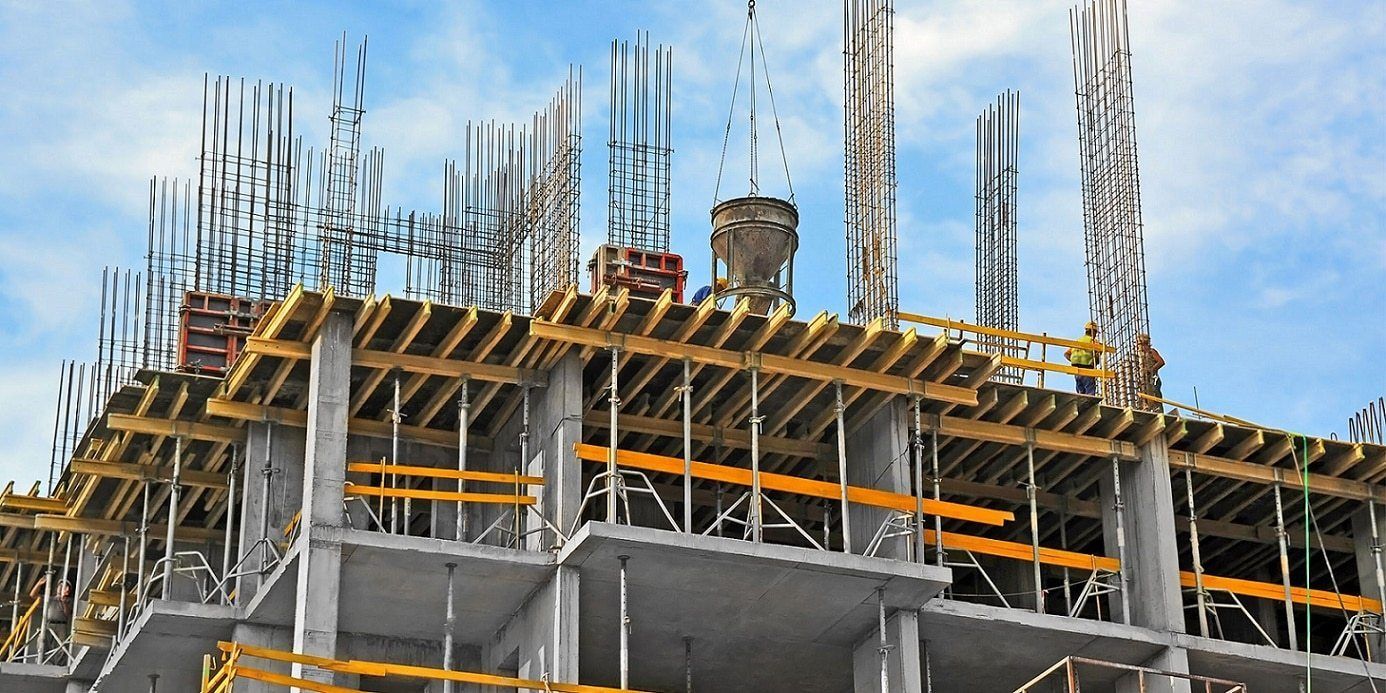
Formwork by name means “The Mold” which means it is the casing into which the casting material, usually concrete, is poured to obtain the desired structural shape. In the construction, it is similar to a mold to cast concrete members in different shapes and sizes using different types of materials such as timber, steel, aluminum, plastic, etc. Shuttering is a synonym term used for form-work. Formwork should have sufficient strength to carry the dead load and live load coming on it during casting operation and after that till concrete gets hard and gain some percentage of design strength. Read more

by Jessie Pham Jessie Pham No Comments

[UPDATE] Single form film faced Plywood to Malaysia (19/10/2020)

Film Faced Plywood has become more and more popular in both developed and developing countries because of is benefits: versatile, ease to use, can be reused several times and water resistance. Film faced plywood is often used in construction application but also good as an indoor material. Other than the traditional Film Faced Plywood, we – FOMEX GREENWOOD also supply Single form Film Faced Plywood with cheaper price and suitable for construction purposes.

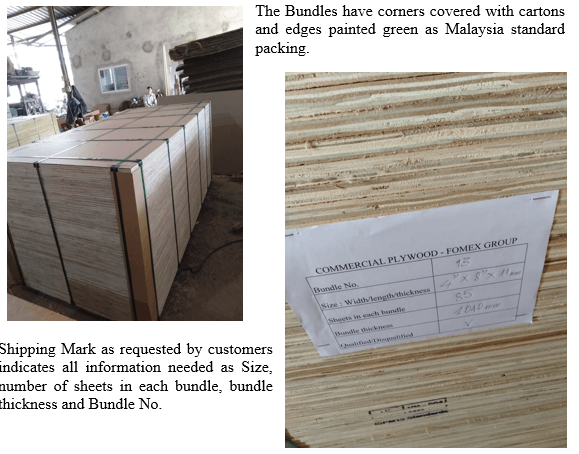
Single form FF Plywood is one of our best seller to Malaysia, suitable for this market as the price is cheap and can be resued 2-4 times. At the moment, we export this product to Malaysia every week. Here below are some photos of Single FFP consignment on board 19/10/2020 (11mm and 17mm):

Read more